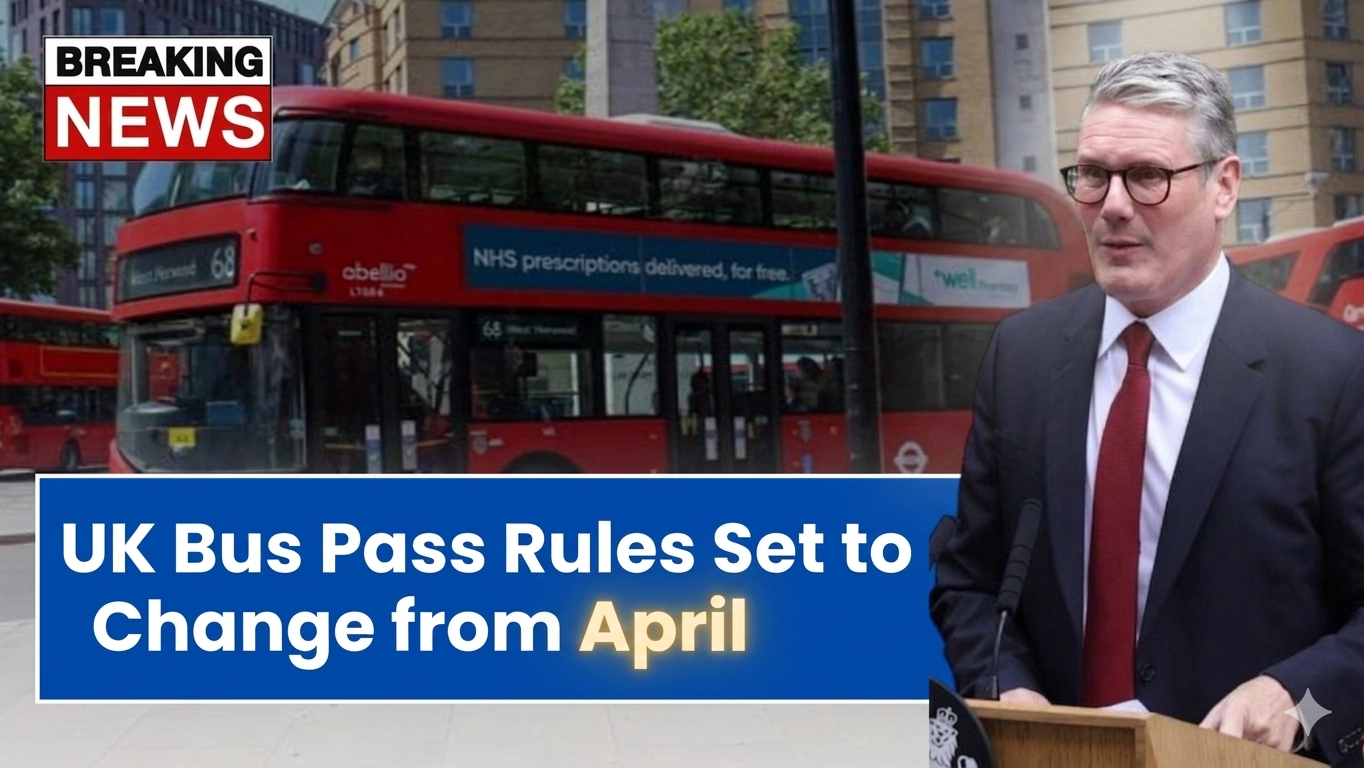
The United Kingdom stands at a pivotal crossroads in its transport history. As the blossoms of spring begin to appear, a significant change is sweeping across the nation’s bus stops and depots. From April, the rules governing the iconic UK Bus Pass are undergoing their most substantial revision in a decade. This isn’t merely a bureaucratic tweak; it is a fundamental shift in how millions of citizens—from the bustling streets of London to the quiet hamlets of the Scottish Highlands—will navigate their daily lives.
1. The Historical Context: More Than Just a Plastic Card
To understand why the changes coming this April are so significant, one must first appreciate the cultural weight of the British bus. Since the introduction of the National Concessionary Fuel Scheme, the “free bus pass” has been a badge of honor and a symbol of freedom for the elderly and disabled. It represents the state’s commitment to ensuring that retirement does not mean isolation.
However, the economic landscape of 2026 is vastly different from that of the early 2000s. With rising energy costs, the transition to electric fleets, and the post-pandemic shift in commuting patterns, the old model was reaching its breaking point. The April reforms are designed to save the system by evolving it.
2. The Core Changes: What Happens in April?
A. The State Pension Age Alignment
The most critical change involves the age of eligibility. For many years, there was a disconnect between when a person could retire and when they could claim their bus pass. From this April, the alignment is total. In England, you will only become eligible for the older person’s bus pass when you reach the State Pension age, which is currently 66.
This move has sparked intense debate. Critics argue that it unfairly penalises those who work in physically demanding jobs and retire earlier, while proponents suggest it is the only way to keep the scheme financially viable as life expectancy increases.
B. The £3 National Fare Cap: A New Reality
For those not yet of bus-pass age, the “fare cap” has been a lifesaver during the inflation crisis. The famous £2 cap, which made cross-country travel affordable for young workers and students, is transitioning. In many jurisdictions, the cap will rise to £3 from April.
While a 50% increase sounds steep, transport analysts point out that a £3 flat fare for a 20-mile journey is still significantly cheaper than driving a private car, especially with the current “Clean Air Zone” charges being implemented in cities like Bristol, Birmingham, and Manchester.
C. The “Smart” Revolution: Say Goodbye to Paper
By the end of April, the government aims to have 80% of all concessionary travel linked to Contactless or Mobile-App technology. This “Digital First” approach allows local councils to track “ghost journeys”—where passes are being used fraudulently or routes are being subsidised despite having no passengers.
3. Regional Deep Dive: A Postcode Perspective
The UK is not a monolith, and the April rules reflect the beauty (and frustration) of devolution.
- London (TfL): The Freedom Pass remains the gold standard. However, the Mayor’s office is under pressure to review the “peak hour” restrictions. From April, expect stricter enforcement of the 9:00 AM start time for concessionary travel on the Tube and buses to ease morning congestion.
- Scotland and Wales: These nations continue to lead the way in mobility. Scotland’s scheme for under-22s remains a roaring success, and from April, extra funding is being allocated to ensure rural Highland routes are expanded, even as fare structures in the south change.
- Northern England: Under the “Northern Powerhouse” initiative, Mayors in Greater Manchester and West Yorkshire are using the April transition to introduce “Integrated Ticketing.” This means your bus pass might soon work seamlessly on trams and local trains, creating a “London-style” experience in the North.
4. The Socio-Economic Ripple Effect
The Battle Against Loneliness
For a significant portion of the UK’s 12 million pensioners, the bus driver is the only person they might speak to in a day. The April reforms have prioritised “Social Connectivity” routes. Even if a route is not profitable, new “Social Value” clauses in the April contracts mean that councils are obligated to provide a minimum level of service to prevent elderly isolation.
The Environmental Mandate
The UK is legally bound to reach Net Zero. Buses are the secret weapon. One fully loaded double-decker can take up to 75 cars off the road. The April changes include a “Green Subsidy” for operators who switch to hydrogen or electric buses. If you notice your local bus getting quieter and cleaner this spring, it’s a direct result of these policy shifts.
5. Practical Guide: Securing Your Mobility
With the April deadline approaching, the public is advised to take proactive steps:
- The “Birthday Audit”: If you turn 66 between now and next year, apply for your pass exactly 28 days before your birthday.
- Verify the “Blue Badge” Link: For disabled commuters, ensure your medical evidence is updated. The April rules tighten the definition of “hidden disabilities,” requiring more robust documentation from GPs.
- The “Companion Pass” Update: Some councils are extending the “Companion Pass” (allowing someone to travel free with a disabled person) to include more mental health-related conditions. Check your local authority’s website this month.
6. The Future: Beyond 2026
What lies ahead? The April changes are a stepping stone to “Mobility as a Service” (MaaS). Imagine an app where your bus pass, your train ticket, and even your bike-share access are all bundled into one. By 2030, the government envisions a UK where the distinction between “private” and “public” transport blurs, and the April 2026 reforms will be remembered as the moment the foundation was laid.
Final Thoughts
The UK Bus Pass is more than a card; it is a promise of inclusion. As we move into April, the adjustments may require a period of adaptation. Some will pay a little more, and some will wait a little longer for eligibility. But the goal is a transport system that is fairer, greener, and smarter.
So, this April, when you tap your card or scan your phone as you board that bright red or green bus, know that you are part of a grand British tradition that is moving—quite literally—into a new era.
Key Takeaways for the Public:
- England: Eligibility now strictly follows State Pension Age (66+).
- Fares: Look out for the £3 cap in most regions outside London.
- Tech: Ensure your smartphone is compatible with local transport apps.
- Rural: New “on-demand” services are launching to replace fixed-line cuts.
Travel safe, and enjoy the journey!